
Income tax planning tips are essential for anyone who wants to minimize their tax liability, save money, and ensure financial stability. Taxes are an inevitable part of life, but smart planning can help you legally reduce your tax burden while taking advantage of deductions, exemptions, and investment opportunities offered by tax authorities.
Whether you are a salaried employee, self-employed professional, freelancer, or investor, understanding and implementing effective income tax planning tips can make a significant difference in your financial health.
What Is Income Tax Planning?
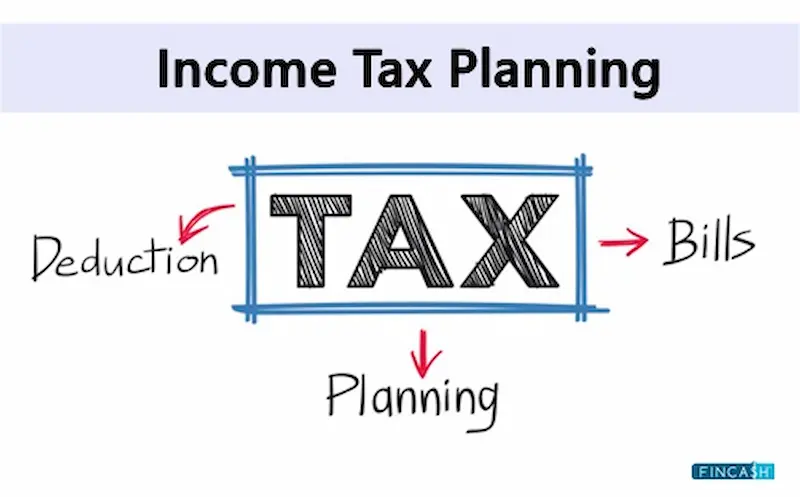
Income tax planning is the process of analyzing your income, expenses, and investments to minimize tax liability in a lawful manner. It involves strategically planning your finances throughout the year, rather than waiting until the last minute, to ensure you make the most of available deductions, exemptions, rebates, and other benefits.
In essence, income tax planning is about optimizing your finances so that you pay the least tax possible without breaking the law, while also aligning your financial decisions with long-term goals.
Why Income Tax Planning Is Important
Effective tax planning offers multiple advantages:
- Reduces Tax Liability: By using legal deductions and exemptions, you pay only the taxes you are required to.
- Increases Savings: Lower tax payments leave more disposable income for investments, savings, and other expenses.
- Encourages Smart Investments: Tax planning often motivates individuals to invest in instruments that benefit both financially and tax-wise.
- Prevents Last-Minute Stress: Planning in advance helps avoid rush decisions, mistakes, or missed opportunities at the year-end.
- Supports Long-Term Financial Goals: Proper planning ensures your investments, savings, and expenses are aligned with goals such as retirement, buying a house, or children’s education.
Top Income Tax Planning Tips

Here are the most effective income tax planning tips that individuals can use to save taxes legally and maximize their financial benefits:
1. Start Planning Early
One of the most important income tax planning tips is to start planning at the beginning of the financial year. Early planning provides the flexibility to choose the best investments, maximize deductions, and spread out expenses in a tax-efficient way. Waiting until the last month often limits options and may lead to missed opportunities.
2. Utilize Tax-Advantaged Investments
Investing in government-approved schemes is one of the most reliable ways to reduce taxable income. Common options include:
- Retirement Funds: Contributions to pension schemes, Employee Provident Fund (EPF), or retirement savings plans can qualify for deductions.
- Tax-Saving Mutual Funds: Certain mutual funds offer tax benefits under the law while providing potential market-linked returns.
- Government Bonds & Savings Schemes: Instruments like National Savings Certificates (NSC) or other approved bonds allow tax deductions while securing your principal.
These investments not only reduce taxes but also help grow your wealth over time.
3. Claim All Eligible Deductions and Exemptions
Most tax authorities allow deductions and exemptions for specific expenses. Make sure to claim:
- Health Insurance Premiums: Medical insurance for yourself and family often qualifies for deductions.
- Home Loan Benefits: Interest on home loans and principal repayments may provide significant tax savings.
- Education Expenses: Tuition fees and student loan interest in some jurisdictions are deductible.
- Charitable Donations: Donations to registered charities can reduce taxable income.
Proper documentation for these expenses is critical to ensure compliance and avoid issues during audits.
4. Optimize Your Salary Structure
For salaried employees, optimizing the salary structure can be an effective way to save taxes. Consider:
- Increasing contributions to retirement funds
- Receiving certain allowances and reimbursements (like travel or medical) in a tax-efficient manner
- Structuring bonuses or incentives strategically to minimize tax impact
Small adjustments in the salary structure can lead to meaningful tax savings over a year.
5. Maintain Accurate Records
Keeping organized records of income, investments, expenses, and receipts throughout the year is essential for effective income tax planning. Proper documentation ensures that you can claim all eligible deductions and exemptions without issues and simplifies the tax-filing process.
6. Review Tax Slabs and Laws Regularly
Tax laws and slabs change periodically. Staying informed about the latest rules ensures that you are taking advantage of all available deductions and exemptions. For example, new investment schemes or changes in standard deduction limits can impact your tax liability.
7. Consider Professional Tax Advice
Consulting a qualified tax advisor is a smart move, especially if you have multiple income sources, own a business, or make significant investments. A professional can:
- Identify deductions you may have overlooked
- Suggest suitable tax-saving investments
- Ensure compliance with all tax laws
- Help create a long-term tax-efficient financial plan
8. Plan for Long-Term Goals
Income tax planning should align with your financial goals. Use tax-saving instruments not just to save tax but to:
- Build retirement corpus
- Save for children’s education
- Buy a home
- Prepare for emergencies
This dual approach ensures you achieve tax efficiency while securing your financial future.
You may also like to read this:
Tax Planning for Individuals: Smart Ways to Save Tax Legally
Best Tax Saving Ideas: Legal Ways to Reduce Taxes
Personal Tax Planning Guide: Save Taxes & Maximize Savings
Tax Planning for Small Businesses: Save Taxes Legally
Common Mistakes to Avoid
Even with the best intentions, many individuals make errors in tax planning:
- Waiting until the last month to invest or claim deductions
- Investing only for tax benefits without considering returns
- Ignoring proper documentation for deductions
- Not reviewing tax planning strategies annually
- Overlooking changes in tax laws and regulations
Avoiding these mistakes ensures your income tax planning remains effective and legal.
Conclusion
Income tax planning tips are essential for maximizing savings, minimizing tax liability, and achieving long-term financial stability. By starting early, using legal deductions and exemptions, investing wisely, maintaining records, and reviewing your finances regularly, you can stay compliant while reducing your tax burden.
Smart income tax planning is more than just saving money—it’s a strategy to make your money work harder, plan for the future, and achieve financial peace of mind.
Frequently Asked Questions (FAQs) on Income Tax Planning Tips
1. What is income tax planning?
Income tax planning is the process of organizing income, expenses, and investments to minimize tax liability legally while maximizing savings.
2. Why is income tax planning important?
It helps reduce taxes, increase savings, avoid penalties, and align financial decisions with long-term goals such as retirement, education, or buying a home.
3. Who should do income tax planning?
Everyone with taxable income—including salaried employees, freelancers, self-employed individuals, and business owners—can benefit from tax planning.
4. When should I start planning my taxes?
The best time to start is at the beginning of the financial year. Early planning offers more investment options and ensures full use of deductions and exemptions.
5. Can investments help reduce tax liability?
Yes, investing in government-approved savings schemes, retirement funds, tax-saving mutual funds, or insurance plans can reduce taxable income while providing returns.