
Tax planning for small businesses is a crucial financial strategy that helps business owners reduce tax liability, improve cash flow, and ensure compliance with tax laws. Small businesses often face challenges such as limited resources, fluctuating income, and complex regulations. Effective tax planning allows owners to make informed decisions, minimize unnecessary tax payments, and focus on growing their business.
Whether you run a sole proprietorship, partnership, or a small private company, adopting smart tax planning strategies can significantly improve your bottom line.
What Is Tax Planning for Small Businesses?

Tax planning for small businesses involves analyzing financial activities, income, and expenses to minimize taxes legally. It is a proactive approach that ensures your business benefits from available deductions, exemptions, allowances, and incentives provided by tax authorities.
The goal is to pay the right amount of tax at the right time while taking advantage of lawful strategies that save money and boost business growth.
Why Tax Planning Is Important for Small Businesses
- Reduces Tax Liability: Helps pay only the taxes you are legally obligated to.
- Improves Cash Flow: Lower taxes free up cash for operations, investment, or expansion.
- Encourages Efficient Record-Keeping: Organizing financials helps claim all eligible deductions.
- Supports Business Growth: Saves money that can be reinvested into the business.
- Prevents Penalties: Avoids interest, fines, and legal issues from incorrect or late filings.
Without proper tax planning, small businesses may overpay taxes or miss opportunities for deductions and exemptions.
Key Tax Planning Strategies for Small Businesses
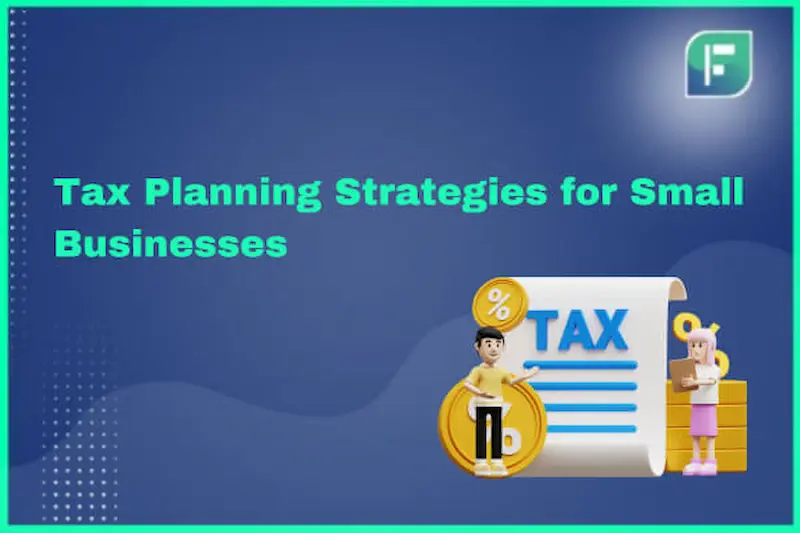
Here are practical tax planning strategies that small businesses can implement:
1. Separate Personal and Business Finances
Mixing personal and business finances can create confusion and limit deductions. Maintain separate bank accounts and financial records to track business income and expenses accurately.
2. Take Advantage of Business Expenses
Business expenses reduce taxable income. Common deductible expenses include:
- Rent and utilities for office space
- Employee salaries and benefits
- Business travel and vehicle expenses
- Office supplies and equipment
- Professional services (accountants, consultants, legal fees)
3. Choose the Right Business Structure
The structure of your business—sole proprietorship, partnership, LLC, or corporation—affects your tax obligations. Each structure offers different deductions, rates, and liability protections. Consult a tax professional to choose the most tax-efficient structure for your business.
4. Use Tax Credits and Incentives
Many governments offer tax credits or incentives for small businesses, such as:
- Research and development (R&D) credits
- Energy-efficient equipment deductions
- Hiring incentives for certain employee categories
Taking advantage of these credits can significantly reduce your tax bill.
You may also like to read this:
Tax Planning for Individuals: Smart Ways to Save Tax Legally
Best Tax Saving Ideas: Legal Ways to Reduce Taxes
Personal Tax Planning Guide: Save Taxes & Maximize Savings
Income Tax Planning Tips: Save Taxes Legally
5. Plan for Retirement Contributions
Contributions to retirement plans for owners and employees not only secure the future but also reduce taxable income. Options include 401(k), SEP IRA, or other local retirement schemes.
6. Maintain Proper Documentation
Accurate record-keeping is essential for deductions, audits, and compliance. Keep invoices, receipts, contracts, and financial statements organized throughout the year.
7. Consider Professional Tax Advice
Small business taxes can be complex due to multiple income sources, payroll taxes, and local regulations. A professional accountant or tax advisor can help optimize tax strategies and ensure compliance.
8. Plan for Estimated Taxes
Small business owners may need to pay estimated taxes quarterly. Planning for these payments prevents penalties and avoids cash flow issues at the end of the year.
Common Mistakes to Avoid
- Mixing personal and business expenses
- Missing deadlines for tax filings
- Overlooking deductible business expenses
- Ignoring available tax credits and incentives
- Failing to review tax strategies annually
Avoiding these mistakes ensures your tax planning is efficient and fully legal.
Conclusion
Tax planning for small businesses is essential for saving money, staying compliant, and supporting long-term growth. By separating finances, tracking expenses, using tax credits, maintaining proper documentation, and consulting professionals, small business owners can reduce taxes legally and reinvest savings into their business.
Smart tax planning allows small businesses to not only survive but thrive in a competitive market while staying fully compliant with the law.
Frequently Asked Questions (FAQs) on Tax Planning for Small Businesses
1. What is tax planning for small businesses?
Tax planning for small businesses is the process of managing income, expenses, and investments strategically to reduce tax liability legally.
2. Why is tax planning important for small businesses?
It helps save money, improve cash flow, claim deductions and credits, avoid penalties, and reinvest savings into business growth.
3. Which expenses are deductible for small businesses?
Common deductible expenses include office rent, utilities, salaries, travel costs, professional fees, equipment, and supplies.
4. How does business structure affect taxes?
The type of business (sole proprietorship, LLC, partnership, or corporation) determines tax rates, allowable deductions, and liability protection.
5. Can small businesses claim tax credits?
Yes, small businesses may claim credits for research and development, energy-efficient equipment, and hiring incentives, depending on local regulations.