
A personal tax planning guide is essential for anyone who wants to reduce tax liability, maximize savings, and ensure compliance with tax laws. Effective tax planning allows individuals to organize income, expenses, and investments in a way that minimizes taxes while supporting long-term financial goals.
Whether you are a salaried employee, freelancer, or investor, following a personal tax planning guide can help you make informed decisions, save money, and reduce year-end stress.
What Is Personal Tax Planning?
Personal tax planning is the process of analyzing your income, financial obligations, and potential deductions to legally reduce tax liability. It involves proactive strategies throughout the financial year, rather than waiting until the last minute to file returns.
The objective of personal tax planning is to ensure that you pay only what you are legally required to, while also making your finances more efficient and goal-oriented.
Why Personal Tax Planning Is Important
- Reduce Tax Liability: Pay only the taxes required by law.
- Increase Savings: Keep more of your hard-earned money for investments and expenses.
- Avoid Penalties: Stay compliant with tax laws to prevent fines or interest.
- Encourage Smart Investments: Tax planning motivates you to invest in tax-saving instruments.
- Support Financial Goals: Align tax-saving strategies with long-term goals such as buying a home, saving for retirement, or funding education.
Without proper personal tax planning, many individuals overpay taxes or miss opportunities to save legally.
Key Personal Tax Planning Strategies
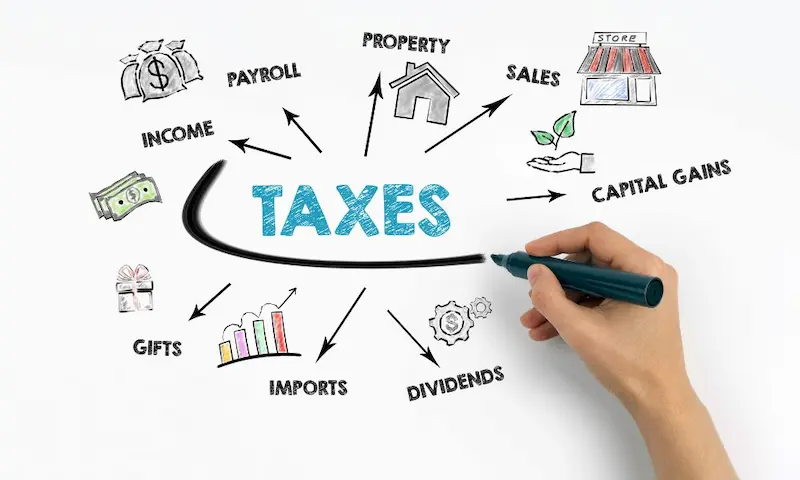
Here are practical strategies covered in a personal tax planning guide:
1. Start Planning Early
The best time to begin personal tax planning is at the start of the financial year. Early planning gives you more options to maximize deductions and choose the right tax-saving investments.
2. Claim All Eligible Deductions and Exemptions
Deductions and exemptions reduce taxable income. Common examples include:
- Health insurance premiums
- Retirement contributions
- Education expenses
- Home loan interest
- Charitable donations
Proper documentation is critical to ensure you can claim all eligible deductions.
3. Invest in Tax-Saving Instruments
Investments approved by tax authorities can reduce taxable income while providing returns:
- Retirement funds (401k, EPF, pension schemes)
- Tax-saving mutual funds
- Government bonds or savings schemes
- Insurance plans with tax benefits
4. Optimize Salary and Income Sources
Salaried individuals can restructure salaries for tax efficiency by using allowances, reimbursements, and contributions to retirement accounts.
Freelancers or investors can manage income timing, capital gains, and business expenses to reduce taxable income.
5. Keep Accurate Records
Maintain organized records of income, receipts, investments, and expenses. Accurate documentation simplifies tax filing and ensures compliance during audits.
6. Stay Updated on Tax Laws
Tax laws, slabs, and exemptions can change frequently. Staying informed helps you take advantage of new deductions, credits, and tax-saving opportunities.
7. Consult a Tax Professional
For complex financial situations or multiple income sources, a tax advisor can:
- Identify overlooked deductions and exemptions
- Suggest suitable investment options
- Ensure compliance with tax laws
- Design a personalized tax plan
You may also like to read this:
Tax Planning for Individuals: Smart Ways to Save Tax Legally
Best Tax Saving Ideas: Legal Ways to Reduce Taxes
Tax Planning for Small Businesses: Save Taxes Legally
Income Tax Planning Tips: Save Taxes Legally
Common Mistakes to Avoid
- Waiting until the end of the financial year
- Investing only for tax benefits without considering returns
- Ignoring proper documentation
- Not reviewing tax planning strategies annually
- Overlooking changes in tax laws
Avoiding these mistakes ensures effective and legal personal tax planning.
Conclusion
A personal tax planning guide is essential for saving taxes, improving financial efficiency, and achieving long-term goals. By planning early, using legal deductions and exemptions, investing wisely, and maintaining accurate records, individuals can minimize tax liability and maximize savings.
Smart personal tax planning ensures your finances are optimized, stress-free, and aligned with your future goals.
Frequently Asked Questions (FAQs) on Personal Tax Planning
1. What is personal tax planning?
Personal tax planning is the process of organizing income, expenses, and investments to minimize tax liability legally while maximizing savings.
2. Why is personal tax planning important?
It helps reduce taxes, increase savings, stay compliant with tax laws, and align financial decisions with long-term goals like retirement, education, or home ownership.
3. Who should do personal tax planning?
Everyone with taxable income—including salaried employees, freelancers, self-employed professionals, and investors—can benefit from personal tax planning.
4. When should I start planning my taxes?
The best time to start is at the beginning of the financial year. Early planning allows you to maximize deductions and make strategic investments.
5. How can investments help in tax planning?
Investing in government-approved schemes, retirement funds, tax-saving mutual funds, and insurance plans can reduce taxable income while providing financial returns.