

Managing personal or business finances can feel overwhelming. Tracking expenses, planning budgets, monitoring investments, and preparing for taxes all require time and accuracy. This is where online financial tools come in. They are designed to simplify financial management, make planning easier, and help you make smarter money decisions—all from your computer, tablet, or smartphone.
Whether you are an individual, freelancer, or business owner, using the right online financial tools can improve your financial health, save time, and even help you reach long-term goals like buying a home or securing retirement.
What Are Online Financial Tools?

Online financial tools are software, apps, websites, or platforms that provide digital solutions for managing money. These tools can help you:
- Track income and expenses in real time
- Create and manage budgets
- Plan for taxes and track deductions
- Monitor investments and returns
- Set and track financial goals
- Analyze your overall financial health
In essence, these tools automate calculations, organize your financial data, and provide insights to help you make informed decisions.
Why Online Financial Tools Are Important
Using online financial tools has become increasingly essential for modern financial planning. Here’s why:
1. Simplifies Complex Tasks:
Manual calculations for budgets, taxes, or investment returns can be confusing. Online tools handle these automatically.
2. Real-Time Tracking:
Track income, spending, and investments instantly, so you always know where your finances stand.
3. Better Budgeting:
By tracking expenses and income, you can control spending and allocate funds toward savings or investments.
4. Goal Setting and Planning:
Plan for short-term goals (like vacations or emergency funds) and long-term goals (like buying a house or retirement).
5. Informed Decision Making:
Most tools provide analytics and recommendations, helping you make smarter financial choices.
6. Tax Planning:
Track deductible expenses, calculate estimated taxes, and plan investments that reduce tax liability legally.
7. Financial Awareness:
Using these tools regularly helps you become more aware of your money habits, encouraging savings and reducing unnecessary expenses.
Types of Online Financial Tools
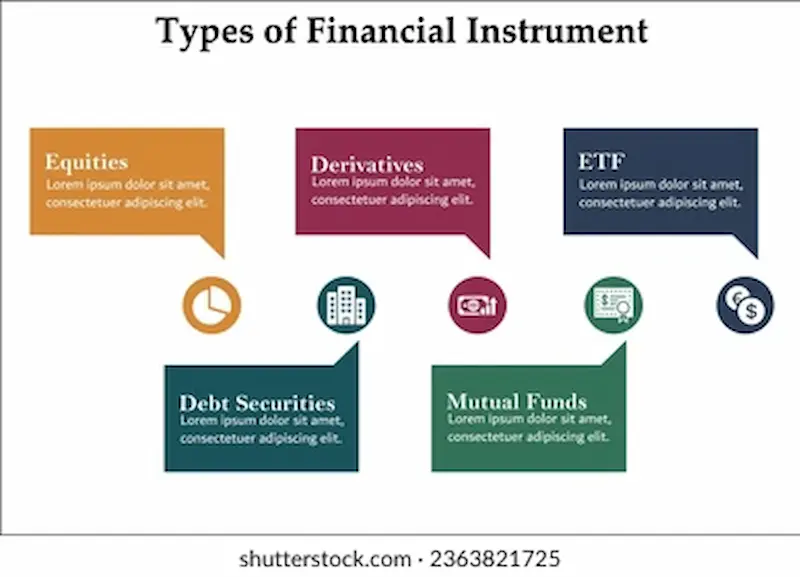
Here are the most common types of online financial tools and how they help:
1. Budgeting Tools and Apps:
- Track income and expenses
- Create monthly or yearly budgets
- Identify areas to cut costs
- Examples: Mint, PocketGuard, YNAB
2. Investment Trackers:
- Monitor stocks, mutual funds, ETFs, or other assets
- Analyze portfolio performance
- Track gains, losses, and diversification
- Examples: Personal Capital, Morningstar, Yahoo Finance
3. Retirement and Goal Planners:
- Calculate how much you need to save for retirement
- Track progress toward long-term financial goals
- Estimate future investment growth based on contributions
4. Expense Tracking Tools:
- Record day-to-day spending
- Categorize expenses (food, transport, bills, etc.)
- Generate reports to understand spending patterns
5. Comprehensive Financial Planning Software:
- Combine budgeting, investing, and tax planning in one platform
- Offer detailed analytics and projections
- Examples: Quicken, Moneydance
6. Online Spreadsheets and Templates:
- Free or customizable templates for tracking budgets, savings, or investments
- Simple to use and flexible for personal or small business use
You may also like to read this:
Tax Calculation Tools Online: Easy & Accurate Tax Estimates
Income Tax Calculator Free: Quick & Easy Tax Estimates
Financial Planning Tools: Track, Budget, and Plan Smartly
Tax Saving Calculator: Estimate Your Tax Savings Easily
How to Use Online Financial Tools Effectively
To make the most of online financial tools, follow these steps:
- Gather Your Financial Information:
Collect details about income, expenses, debts, savings, and investments before using any tool. - Choose the Right Tool for Your Needs:
Budgeting, investment tracking, tax planning, or comprehensive tools—pick the ones that suit your priorities. - Enter Accurate Data:
Input correct numbers for income, expenses, and investments to get reliable results. - Set Clear Financial Goals:
Define short-term (monthly savings, emergency fund) and long-term goals (home purchase, retirement). - Review Regularly:
Update your financial information weekly or monthly, and monitor your progress toward goals. - Use Multiple Tools If Needed:
Combine budgeting apps with investment trackers or tax calculators for a complete financial overview.
Benefits of Using Online Financial Tools
- Save time with automated calculations
- Gain clear insights into spending and savings
- Make better financial decisions with data-driven recommendations
- Monitor investments and their growth
- Stay organized with a complete view of your financial health
- Reduce errors and avoid missed deadlines for payments or taxes
Things to Keep in Mind
- Security: Choose tools with strong encryption and privacy protection.
- Accuracy: Tools rely on accurate data input. Double-check numbers.
- Updates: Use tools updated with current tax laws, interest rates, and financial regulations.
- Professional Help: For complex investments, tax planning, or legal compliance, a certified financial advisor can complement these tools.
Final Thoughts
Online financial tools are essential for modern money management. They simplify budgeting, track spending, monitor investments, plan for taxes, and help you achieve your financial goals.
By using these tools consistently, keeping your data updated, and setting clear goals, you can gain full control of your finances, make smarter decisions, and secure your financial future.
FAQs About Online Financial Tools
1. What are online financial tools?
Online financial tools are digital platforms, apps, or software that help you manage money, track expenses, plan budgets, monitor investments, and achieve financial goals.
2. Who can use online financial tools?
Anyone—individuals, freelancers, or business owners—can use these tools to organize finances, track spending, and plan for the future.
3. Are online financial tools free?
Many tools are free, like basic budgeting apps or expense trackers, while more advanced tools or comprehensive platforms may require subscriptions.
4. What types of online financial tools are available?
Types include budgeting apps, investment trackers, retirement planners, expense trackers, comprehensive financial planning software, and customizable spreadsheets.
5. How do online financial tools help manage money?
They provide insights into income, expenses, savings, and investments, helping you budget, plan taxes, make informed decisions, and achieve financial goals.