

Seeking legal advice for tax matters is essential for individuals, freelancers, and businesses who want to stay compliant with tax laws, reduce risks, and make informed financial decisions.
Tax regulations can be complex, and even small mistakes may lead to penalties, audits, or legal disputes. Proper legal guidance helps you understand your rights, responsibilities, and available options under the law.
This guide explains when and why legal tax advice is needed, what areas it covers, and how it protects your financial interests.
What Is Legal Advice for Tax Matters?

Legal advice for tax matters involves professional guidance provided by qualified tax lawyers, tax consultants, or legal advisors who specialize in tax laws. This advice focuses on interpreting tax regulations, resolving disputes, ensuring compliance, and planning taxes legally.
It goes beyond basic tax filing and helps address complex issues such as tax disputes, audits, penalties, and long-term tax planning.
Why Legal Advice for Tax Matters Is Important
- Ensures Legal Compliance
Tax laws change frequently. Legal advice ensures your actions align with current regulations and reduce the risk of violations. - Prevents Penalties and Legal Issues
Professional guidance helps avoid errors that could lead to fines, interest charges, or legal action. - Protects Your Rights
In audits or disputes, legal advisors ensure your rights are protected and represent you before tax authorities. - Supports Smart Tax Planning
Legal advice helps structure income, investments, and business operations in a tax-efficient and lawful manner. - Reduces Stress and Uncertainty
Knowing you have expert guidance provides peace of mind, especially in complex tax situations.
When Do You Need Legal Advice for Tax Matters?
You should consider legal tax advice in situations such as:
- Receiving a tax notice or audit notice
- Facing penalties or interest charges
- Managing multiple income sources
- Running a business or being self-employed
- Handling international or foreign income
- Planning major financial transactions
- Resolving tax disputes or appeals
Early legal consultation can prevent problems from escalating.
Areas Covered Under Legal Advice for Tax Matters
1. Tax Compliance and Filing
- Understanding filing obligations
- Ensuring accurate income reporting
- Claiming deductions and exemptions legally
- Meeting deadlines and documentation requirements
2. Tax Planning and Strategy
- Structuring income to reduce tax liability
- Investment and retirement tax planning
- Business tax planning and restructuring
- Succession and estate tax planning
3. Handling Tax Notices and Audits
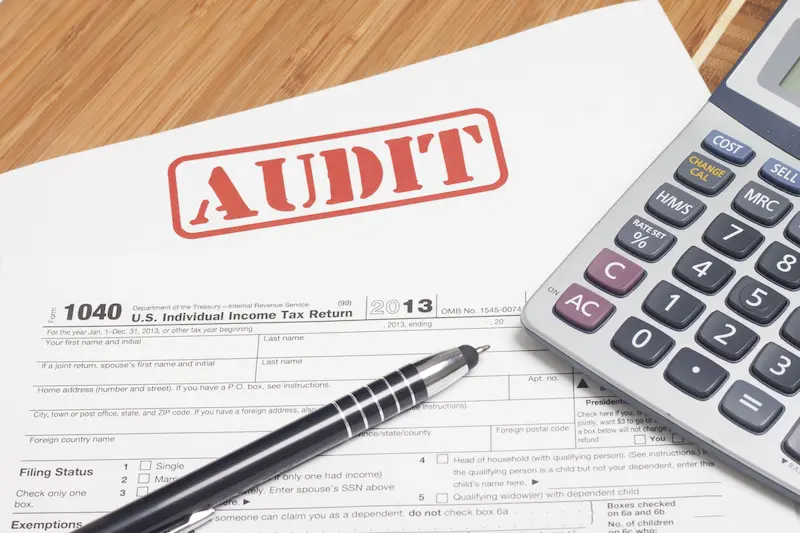
- Responding to notices from tax authorities
- Preparing documents for audits
- Representing clients during assessments
4. Penalties, Interest, and Disputes
- Challenging incorrect penalties
- Filing appeals and rectifications
- Negotiating settlements or payment plans
5. Business and Corporate Tax Matters
- Corporate tax compliance
- GST/VAT and indirect tax issues
- Payroll and withholding tax matters
- Mergers, acquisitions, and restructuring
You may also like to read this:
Tax Compliance Checklist: Complete Guide
Avoid Tax Penalties Legally: Complete Guide
Legal Help for Tax Issues: Expert Guidance and Solutions
Basic Legal Advice Online for Everyday Legal Questions
Tax Law Legal Guidance for Compliance and Tax Planning
Benefits of Professional Legal Advice for Tax Matters
- Accurate interpretation of tax laws
- Reduced risk of audits and penalties
- Improved tax efficiency
- Strong legal representation in disputes
- Long-term financial protection
Legal advice ensures that every tax-related decision is both compliant and strategic.
How to Choose the Right Tax Legal Advisor
- Check professional qualifications and experience
- Look for specialization in tax law
- Review past client feedback or case experience
- Ensure clear communication and transparency
- Choose advisors familiar with your jurisdiction’s tax laws
Selecting the right professional is crucial for effective tax management.
Common Mistakes Without Legal Tax Advice
- Misinterpreting tax laws
- Missing important deadlines
- Claiming incorrect deductions
- Ignoring notices from tax authorities
- Poor handling of audits or disputes
These mistakes can be costly and are often avoidable with proper legal guidance.
Conclusion
Seeking legal advice for tax matters is a smart and proactive approach to managing taxes responsibly. Whether you are filing returns, planning investments, running a business, or dealing with tax authorities, professional legal guidance ensures compliance, protects your rights, and minimizes financial risks.
Tax laws are complex, but with the right legal advice, you can make confident decisions, avoid penalties, and secure your financial future.
Frequently Asked Questions (FAQs) on Legal Advice for Tax Matters
1. What is legal advice for tax matters?
Legal advice for tax matters involves professional guidance from tax lawyers or qualified advisors to ensure compliance, resolve disputes, and plan taxes lawfully.
2. Who needs legal advice for tax matters?
Individuals, freelancers, self-employed professionals, and businesses may need legal tax advice, especially when dealing with audits, penalties, or complex income sources.
3. When should I seek legal advice for tax matters?
You should seek legal advice if you receive a tax notice, face penalties, manage business or foreign income, or need help with tax planning and compliance.
4. How does legal advice help avoid tax penalties?
Legal advisors ensure accurate filing, proper documentation, and timely compliance, helping prevent mistakes that lead to penalties.
5. Is legal tax advice different from basic tax filing services?
Yes, legal tax advice focuses on interpretation of tax laws, dispute resolution, and legal representation, not just filing returns.