

Navigating taxes can be confusing, but simple tax law advice can make the process much easier. Whether you are an individual, freelancer, or business owner, knowing the basics of tax laws helps you stay compliant, avoid penalties, and make informed financial decisions.
This guide will provide straightforward, practical, and user-friendly simple tax law advice to help you understand your responsibilities and rights.
What Is Simple Tax Law Advice?

Simple tax law advice refers to easy-to-understand guidance about tax rules, regulations, and responsibilities. It is designed to explain complex tax laws in plain language so that you can apply them correctly without needing extensive legal knowledge.
Unlike in-depth legal counsel, simple tax law advice focuses on:
- Basic filing requirements
- Common deductions and exemptions
- Understanding notices from tax authorities
- Avoiding penalties and mistakes
It is especially useful for people who are new to taxes or want quick guidance on everyday tax matters.
Why Simple Tax Law Advice Is Important
Many people struggle with taxes because legal jargon and rules can be overwhelming. Following simple tax law advice ensures that you:
- Pay the correct amount of tax legally required
- Avoid unnecessary fines and penalties
- File taxes accurately and on time
- Understand your rights as a taxpayer
- Make informed financial decisions
This advice acts as a roadmap for managing your taxes without stress.
Key Areas Covered by Simple Tax Law Advice
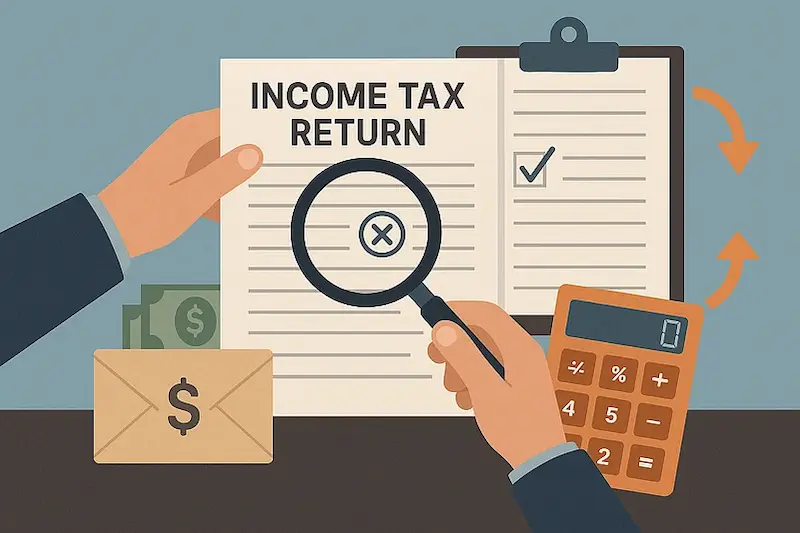
- Income Tax Basics – Understanding taxable income, deductions, and tax brackets.
- Filing Requirements – Knowing when and how to file returns for individuals or businesses.
- Common Deductions and Exemptions – Learning which expenses can reduce your taxable income legally.
- Responding to Notices – Guidance on what to do if the tax authority sends a notice or request.
- Avoiding Penalties – Tips on compliance, record-keeping, and timely payments.
- Business Taxes – Basic advice on corporate tax, GST, payroll taxes, and small business compliance.
Simple tax law advice makes these topics easier to understand so you can take action confidently.
How to Use Simple Tax Law Advice Effectively
- Keep accurate records of your income, expenses, and tax payments.
- Follow deadlines to avoid late filing penalties.
- Use online tax tools or official resources for guidance.
- Consult professionals for complex cases like audits or disputes.
- Stay updated on changes in tax rules and regulations.
By combining simple tax law advice with good practices, you can manage your taxes efficiently.
You may also like to read this:
Avoid Tax Penalties Legally: Complete Guide
Legal Help for Tax Issues: Expert Guidance and Solutions
Basic Legal Advice Online for Everyday Legal Questions
Tax Law Legal Guidance for Compliance and Tax Planning
Legal Advice for Tax Matters: Expert Guidance
When to Seek Professional Tax Help
While simple tax law advice is helpful for everyday situations, some issues require professional intervention:
- Complex tax disputes or audits
- Large or unusual financial transactions
- Legal penalties or fines
- Business tax planning and compliance strategies
A tax lawyer or qualified accountant can ensure that your rights are protected and help you resolve issues legally.
Final Thoughts
Simple tax law advice is a practical way to make tax compliance easier for anyone. It gives you clarity, helps you avoid mistakes, and allows you to take control of your financial responsibilities.
By understanding basic rules, following guidance, and seeking professional help when needed, you can manage taxes confidently and avoid unnecessary stress.
FAQs About Simple Tax Law Advice
1. What is simple tax law advice?
Simple tax law advice is easy-to-understand guidance about tax rules, filing, deductions, and compliance, designed to help individuals and businesses manage taxes confidently.
2. Who can benefit from simple tax law advice?
Anyone who pays taxes—individuals, freelancers, small business owners, or corporations—can benefit from simple tax law advice to understand rules and avoid mistakes.
3. Is simple tax law advice enough for complex tax issues?
No. It is best for general guidance. For audits, disputes, or complex tax situations, consulting a professional tax lawyer or accountant is recommended.
4. What topics are covered in simple tax law advice?
Topics include income tax basics, filing requirements, deductions and exemptions, responding to notices, avoiding penalties, and small business tax compliance.
5. Can simple tax law advice help reduce penalties?
Yes. By following simple tax law advice, you can avoid mistakes, file correctly, and meet deadlines, which helps prevent fines and penalties.